Rain Gardens in Lublin, Poland
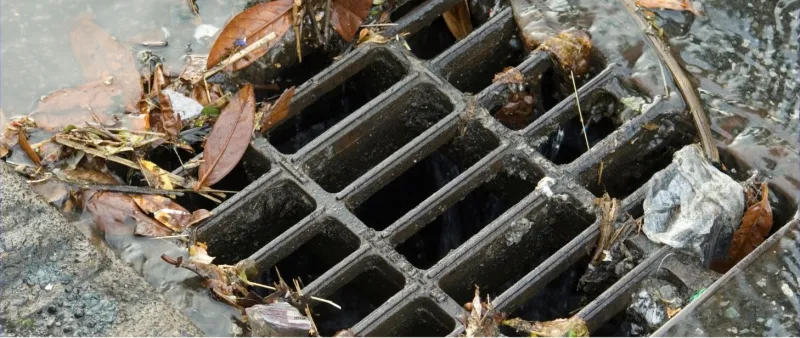
At the beginning of the decade, flooding was becoming an increasingly serious problem in Lublin, Poland. The city faced several stormwater-related issues, such as rainwater flowing directly from roofs onto sidewalks and an overloaded sewer system, which led to water accumulating in low-lying areas.
In response, the municipality directed its 2021 “Green Budget” toward a new climate adaptation measure: rain gardens.
The plan “Rain Gardens – A Well-Watered City” was implemented under the Interreg Europe ADAPTO project by the City of Lublin and the Sendzimir Foundation.
The initiative aimed to:
- promote knowledge about climate change, urban greenery, and water management among residents;
- demonstrate practical ways to increase rainwater retention;
- guide the construction of rain gardens on private properties;
- improve living conditions in the surrounding neighborhoods.
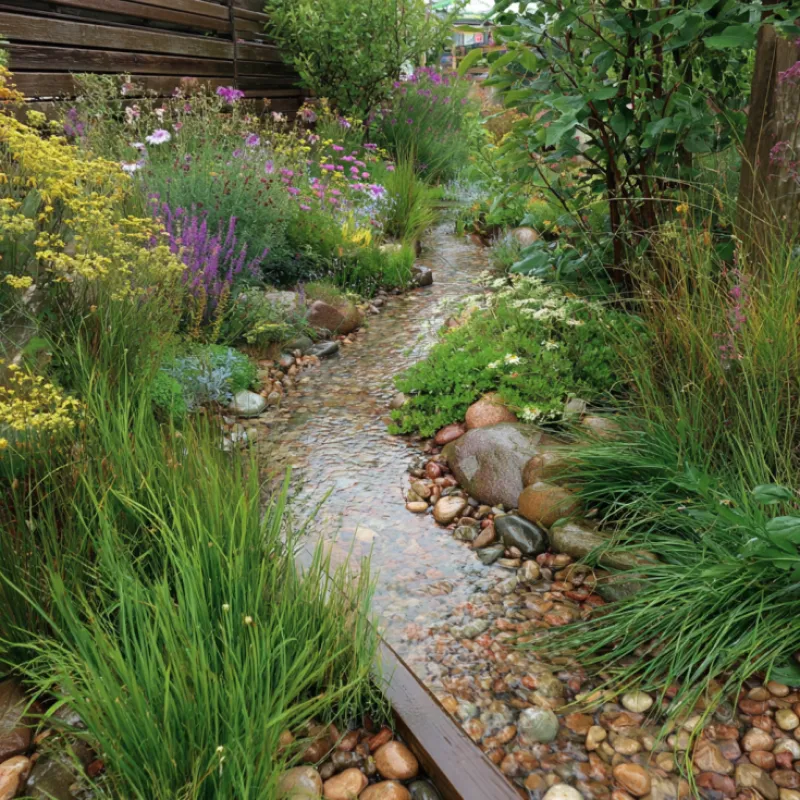
The creation of rain gardens on municipal plots demonstrated how rainwater can be retained and used where it falls, while also raising public awareness about the importance of expanding such practices.
A total of 9 rain gardens were designed, and 6 were built in accessible and visible locations. The retention capacity and total surface area of these gardens are approximately 5 m³ and 150 m² respectively.
Webinars and on-site workshops were organized, external funding was obtained through sponsoring companies, and schools, district councils, and local residents were actively involved in building the rain gardens.
The project designs are available online and can be adapted to similar locations using the prepared rain garden construction guide. Based on the experience gained, an additional rain garden was built in 2024.
Source / additional information